Cost and hiring7 min read
Fiverr logo vs designer: what you are actually paying for
I was the Fiverr designer once. This is what the $5 gig actually involves, what it cannot give you, and the situations where it is still the right choice.
Javeria Hareem
Logo & Brand Designer, founder of Jayy Studio
In this article
I designed logos on Fiverr for $5 before I ran a studio, so the Fiverr logo vs designer argument is not an outsider’s one for me. I have been both.
Most posts on this subject are written by designers who have never opened a gig page, and they tend to sneer. I am not going to. People buy $5 logos for sensible reasons, and some of the designers selling them are good and simply early in their careers, as I was. But I also know exactly what happens in the forty minutes between your order and your delivery, and you should too before you decide.
So this is the inside view: what the gig involves, what you get and do not get, what the cheap option tends to cost in year one, and the situations where it is still the right call.
What a $5 to $50 gig actually involves
The maths decides everything. At $5, after the platform’s cut, a designer has to finish a logo in well under an hour to make anything like a living. So the whole process is built for speed.
You fill in an order form: business name, industry, colours you like, maybe a few words about style. The designer reads it once. There is no conversation about who your customers are or who you keep losing to, because a conversation costs more than the order. Then the work starts, and it usually starts from something that already exists: a template bought in bulk, a stock mark from a library, a typeface the designer has used two hundred times, a shape they drew last week for someone in a similar industry. Your name is set, the colours are swapped, a mockup is applied, and the order is delivered.
None of that is dishonest. It is the only way the price works. But it means the thing you receive was never really designed for you. It was adapted to you.
Fiverr logo vs designer: what you get, and what you don’t
| What you get | Fiverr gig ($5 to $100) | Designer ($300 to $3,000) |
|---|---|---|
| Questions before design | An order form | A questionnaire and a conversation about customers and competitors |
| Concepts | One, sometimes two, often from a template | Several genuinely different directions, shown in context |
| Vector source files | Sometimes, often as a paid extra | Always: AI, EPS and SVG plus exports |
| One-colour and reversed versions | Rarely | Standard |
| Small-size and icon versions | Rarely | Standard |
| Who else has this mark | Unknown; templates are resold | Nobody |
| Ownership | Varies by seller and tier | Yours in writing once paid |
| Rules for use | None | Clear space, minimum size, do and don’t |
| Time | Hours | Three days to three weeks |
Where the real cost shows up
Nothing goes wrong on delivery day. The $30 logo looks fine on the website and in the WhatsApp profile picture. The problems arrive one at a time over the following year, and each one has an invoice.
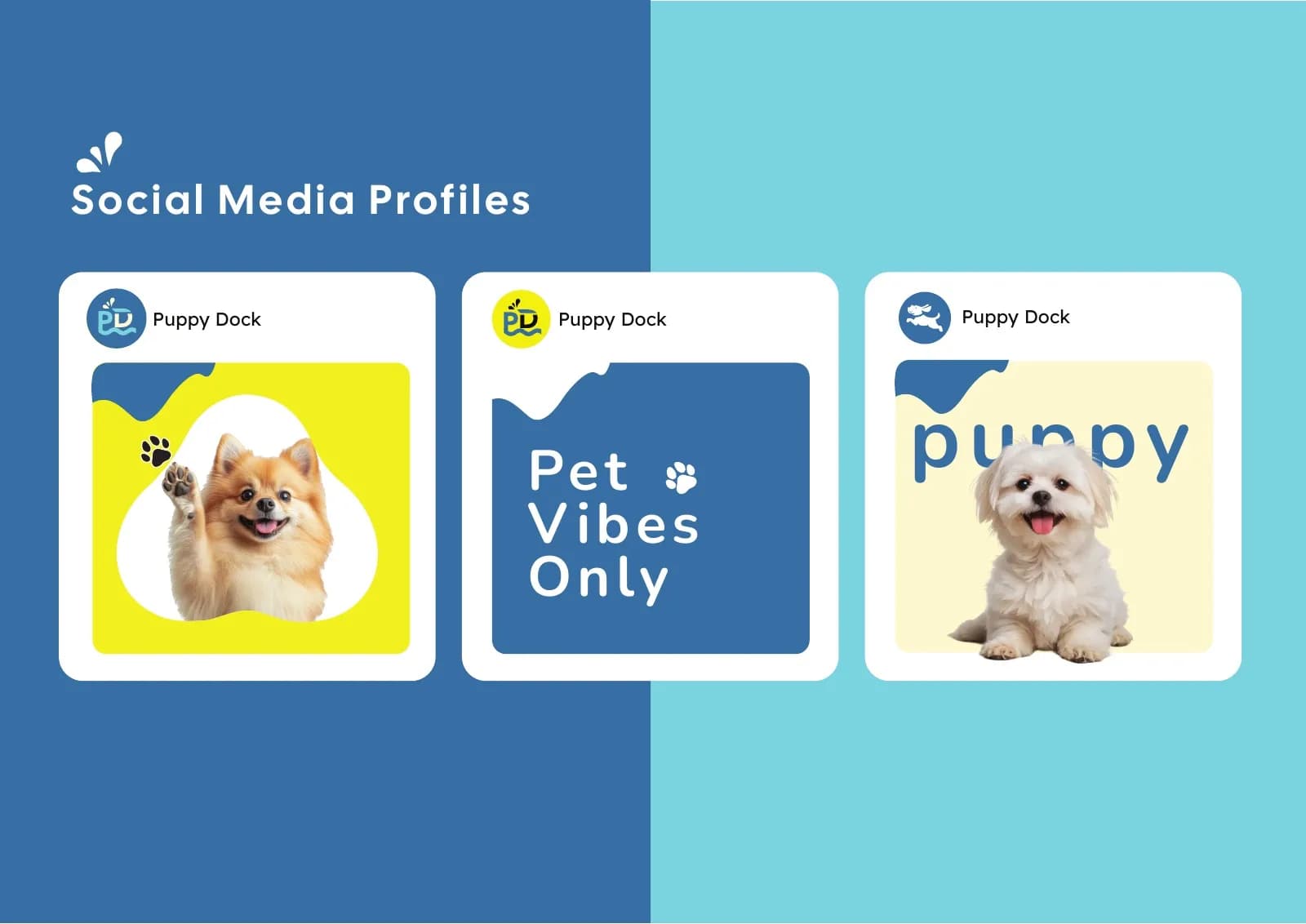
The printer asks for a vector and there is only a PNG, so somebody redraws it, a little differently. The embroiderer says the thin lines will not stitch. The social avatar is a horizontal wordmark squeezed into a circle, so at 40 pixels it reads as a smudge. A competitor two streets away turns up with a mark that is clearly the same template in a different colour. And the day you want to register the name, you learn that a logo built from a stock shape cannot be protected.
Add those up and the cheap logo has cost more than the proper one, with a worse result at every stage, and you still need the proper one. The logo cost post puts numbers on every bracket if you want to compare.
When Fiverr is the right call
I would still point people at a gig in four situations, and I mean that.
You are testing an idea and may abandon it in a month. You need a placeholder for a landing page or a side project that has not earned a budget yet. You have genuinely no money and need something, anything, for a market stall this weekend. Or you need a quick one-off for an event that will never be printed again. In all four, spending $1,000 would be the wrong decision, and I would say so.
The honest rule: a cheap logo is fine for anything that might not exist next year. It is the wrong purchase for anything that will.
What “custom” should actually mean
The word is doing a lot of work on gig pages, where “custom logo” often means a template with your name on it. When a designer says custom, it should mean four specific things.
Questions first. Before anything is drawn, a conversation about the business, its customers and the competitors it loses to, because the logo has to do a job and nobody can design for a job they have not been told about.
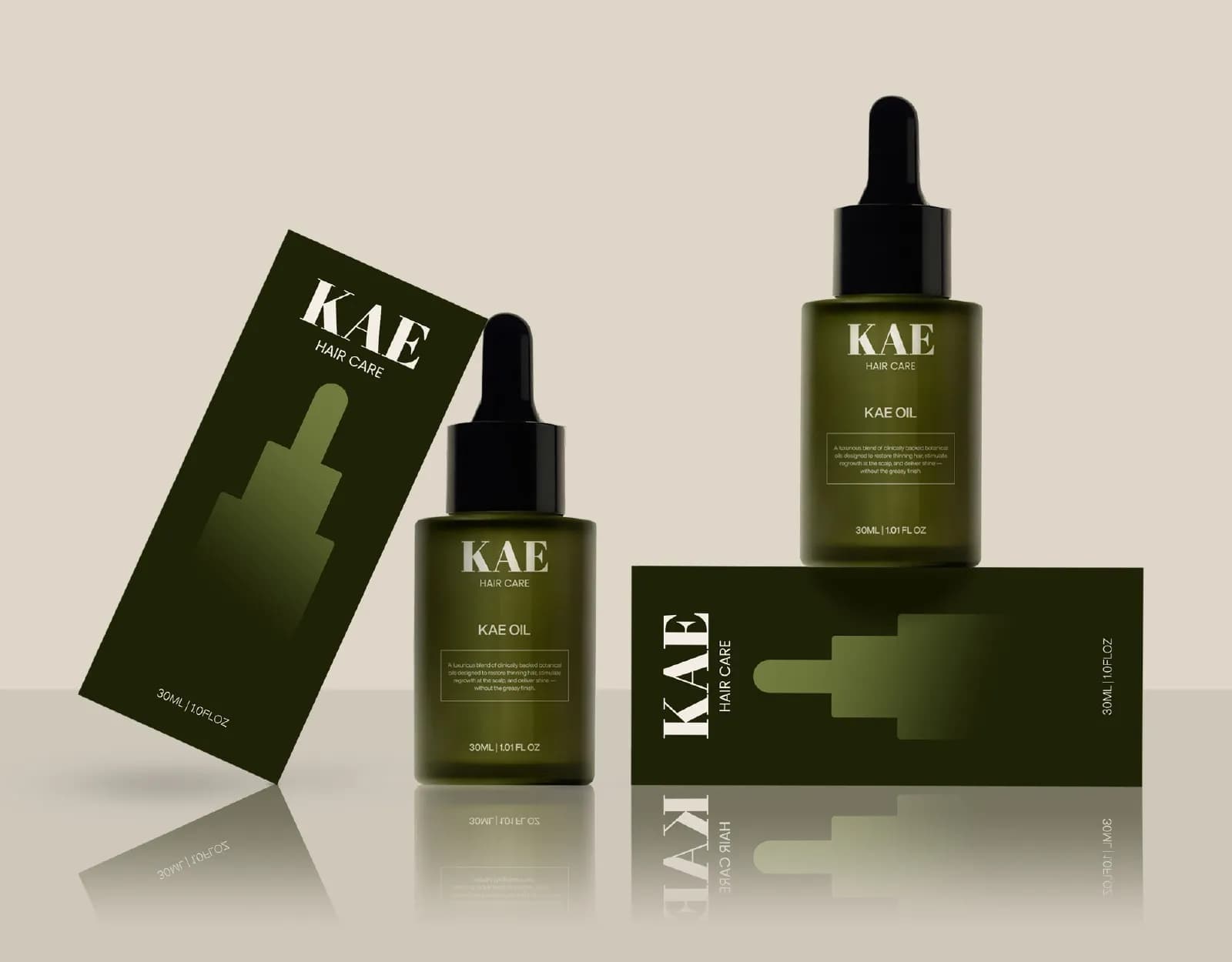
Concepts in context. Directions shown on a bottle, a shop sign, a phone screen or a shirt, not centred on a white square, so you judge how it will live rather than how it looks in isolation.
Files and rules. Every version you will need, in every format, with a page that says how to use them, so the brand survives the next freelancer. And a designer who will sometimes say no: who tells you a change would weaken the mark, instead of nudging it until you stop replying.
Which one to buy this week
Decide by what the logo has to do in the next twelve months, not by the price. A website and a social profile for an idea you are still testing: buy the gig, and do not feel bad about it. Packaging, print, uniforms, a team, or a name you want to own: hire a designer, and get the file list in writing before you pay. What should be in that package is written up separately.
If you are on the second side of that line, tell me about the project. I will quote it fixed, and if the gig is honestly the better fit for where you are, I will tell you that instead.
Questions founders ask me
Sometimes, but it is risky. Many gig logos use stock shapes or templates sold to other buyers, and a mark that is not distinctive, or that someone else is already using, is hard to register and harder to defend. If owning the name matters, start with an original mark and ask the designer to confirm it in writing.