Cost and hiring8 min read
Freelance brand designer vs branding agency: which is right for you?
Who actually does the work, where the money goes, how fast it moves, and the situations where I would tell you to hire an agency instead of me.
Javeria Hareem
Logo & Brand Designer, founder of Jayy Studio
 Cost and hiring
In this article
- Freelance vs branding agency: who actually does the work
- Where the money goes
- Speed, consistency and the one real freelancer risk
- When an agency is the right choice
- When a senior freelancer is
- The middle option: a freelancer plus specialists
- How to vet either one
- Decide on the work, not the office
- Questions founders ask me
The freelance vs branding agency question usually arrives with a shortlist: an agency with a reception desk and a case study for a bank, and a freelancer whose portfolio looks just as good at a fraction of the price.
I am the freelancer in that sentence, so read what follows knowing that. I have also lost work to agencies that deserved to win it, and sent founders to agencies when that was the right answer. The two are not the same product at different prices. They are different products, and the trick is matching the product to what your business needs this year.
Here is how they differ on the things that matter: who does the work, where the money goes, speed, consistency, risk, and the situations where each one is clearly the better choice.
Freelance vs branding agency: who actually does the work
At an agency, the person who pitches to you is rarely the person who draws your logo. A creative director sets the direction, a designer, often a junior one, does the drawing, an account manager relays your feedback between them, and a strategist may write a document at the start. That structure is not a trick; it is how an agency handles many projects at once. But it does mean your brand passes through several hands, and something is lost at each handoff.
With a freelancer, the person you brief is the person who designs, revises and packages the files. When I say I am building a mark on a grid so it survives embroidery, I am the one testing it. When you ask why a colour changed, you ask the person who changed it. There is no translation layer.
Where the money goes
An agency invoice pays for the office, the account team, the pitches that did not win, the software seats, the strategist’s day rate and, somewhere underneath, the design hours. That is not waste if you need those things. A research phase with customer interviews, a workshop with your board, a rollout across twelve countries: these need people, and people cost money.
A freelancer’s invoice pays for the design hours and the experience behind them, and very little else. Working alone from Lahore, my overheads are a laptop, software and a quiet room, which is why most of my projects land between $99 and $1,500 while delivering the same files and rules a studio would. The logo cost post breaks the brackets down.
Speed, consistency and the one real freelancer risk
Speed first. An agency quotes weeks because approvals move through layers; a logo project with me takes three to five days and a full identity seven to ten, because the only queue is the one on my desk. Consistency comes from the same place. One mind holds the logic from the first sketch to the last file, so the business card matches the signage without a meeting.
The risk is the flip side. A freelancer is one person. If I am ill, nobody else picks up your file that afternoon. I cannot be a copywriter, a web developer and a motion designer at the same depth. And if your project needs twenty people in a room, I am not the room. The honest mitigations are a written scope with a delivery date, a proper handoff folder that another designer could pick up, and a freelancer who tells you early when something is outside their lane.
| Question | Senior freelance designer | Branding agency |
|---|---|---|
| Who does the work | The person you brief | A team; often a junior designer under a creative director |
| Typical cost for an identity | $1,000 to $8,000 | $10,000 to $100,000+ |
| Timeline | Days to a few weeks | Two to six months |
| Your point of contact | The designer | An account manager |
| Research and strategy | A questionnaire and a conversation | Interviews, workshops, written strategy |
| Large rollouts | Possible, with specialists brought in | Built for it |
| Continuity | One hand on everything | Depends on staff turnover |
| If something goes wrong | One person to call, and one person who can be unavailable | Someone else picks it up, slowly |
When an agency is the right choice
Hire an agency when the brand has to launch in several markets at once, with language, legal and cultural checks in each. When there is a campaign attached, with media, film and a launch event, and one supplier needs to own all of it. When the decision has many stakeholders, a board, investors, a partner company, and you need a process that can survive them. When research is part of the brief: customer interviews, positioning work, naming with trademark screening. And when the budget is comfortably above $20,000, because below that an agency is mostly selling you its overheads.
When a senior freelancer is
Hire a freelancer when the business is founder-led and the founder is the decision maker. When speed matters more than ceremony and you want the first concepts next week, not next quarter. When you want to talk to the person designing, and have opinions you want to argue about directly. When the budget is under about $10,000 and you would rather it went on design hours than on an account team. And when consistency across the small things, the card, the sign, the label, the deck, matters more to you than a research report.
Most businesses with fewer than fifty staff fall into the second group. A lot of them hire an agency anyway, because it feels safer, and then spend the year talking to an account manager.
The middle option: a freelancer plus specialists
There is a third shape, and it is how I work on bigger projects. I stay the single point of contact and the single hand on the identity, and I bring in specialists as the scope needs them: a web developer to build the site from my files, a copywriter for the voice, a printer I trust for packaging. You get one person to call and a team’s range, without an agency margin on each of them. It is not the right structure for a multi-country launch, but it covers most of what growing businesses actually need.
How to vet either one
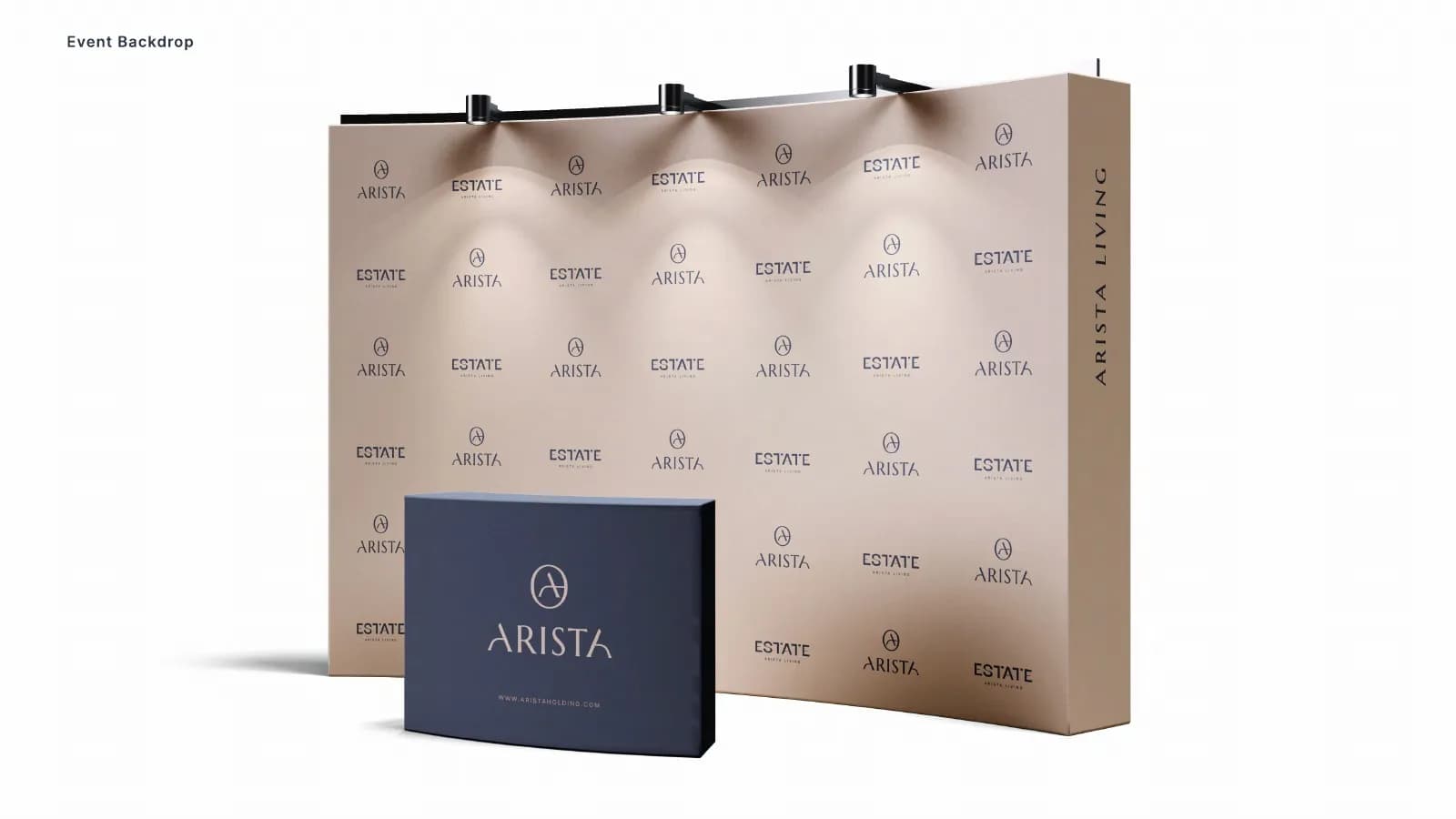
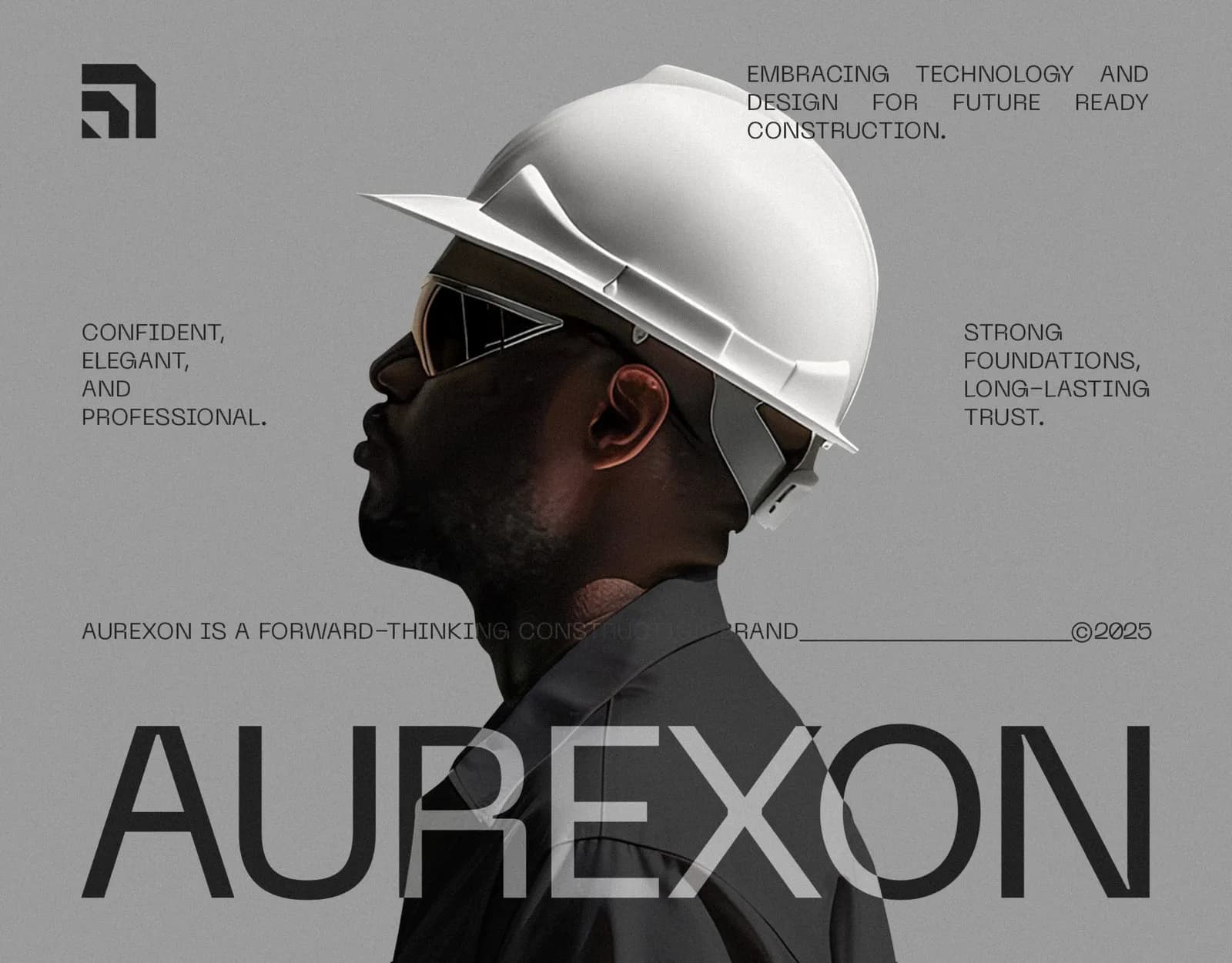
The checks are the same whichever you choose. Ask for case studies that show the brand on real surfaces, not just a logo on a white page: a bag, a sign, a label, a phone screen. Ask who, by name, will do the work on your project, and whether you can speak to them. Ask for the full file list and whether vector source is included. Ask for the ownership line in writing. Ask what happens if the designer, or the designer assigned to you, is unavailable. And ask how feedback works: one consolidated round or an open thread. I put the full list in questions to ask before hiring a brand designer, and how a project runs with me is written up step by step.
Decide on the work, not the office
A reception desk does not design anything. Neither does a nice portfolio website. What decides whether your brand holds together is the quality of the questions asked at the start, the hand that draws it, and the files and rules you are left with. Judge both options on those, and the choice usually makes itself.
If you want a second opinion on your shortlist, book a call. Thirty minutes, no pitch, and if the right answer is an agency I will say so.
Questions founders ask me
Safer against one specific risk: a single person being unavailable. On everything else, quality, consistency, ownership of files, it depends entirely on who you hire. A senior freelancer with a written scope and a proper handoff is often lower risk than a junior designer at an agency you never meet.