Cost and hiring10 min read
Questions to ask before hiring a brand designer
A portfolio tells you what a designer can make. These questions tell you what it will be like to work with them, and what you’ll actually own at the end.
Javeria Hareem
Logo & Brand Designer, founder of Jayy Studio
In this article
- What a portfolio can’t tell you
- Fifteen questions to ask a designer, and what a good answer sounds like
- The hiring checklist
- On process and who does the work
- On what you receive
- On ownership and fonts
- On revisions, timeline and payment
- On what happens when it goes wrong
- On feedback, references and case studies
- Red flags in the answers
- Ask me the same questions
- Questions founders ask me
A portfolio shows you what a designer can make. It doesn’t show you what the next six weeks will be like, or what you’ll be holding at the end of them.
I know this from both sides. I’ve been hired on the strength of a portfolio and then had to explain, on day one, things that should have been asked before the deposit. And I’ve watched founders arrive with a logo from someone else, no vector file, no idea who owns it, and a font licence they didn’t know they needed.
These are the questions to ask a designer before you commit, in the order I’d ask them. Under each group I’ve written what a good answer sounds like, and then my own answer, so you can check me against my own list.
What a portfolio can’t tell you
A portfolio is curated. It shows the finished hero image and not the fifteen rounds it took, the files that were never delivered, or the client who had to buy the font licence afterwards. It also can’t tell you whether the person who made the work is the person you’ll be working with.
None of that makes portfolios useless. Mine is the first thing I’d want you to look at. It means a portfolio answers one question, “can they do this”, and leaves the rest open. The list below is the rest.
Fifteen questions to ask a designer, and what a good answer sounds like
Tick them off on your next call. A designer who can answer all fifteen without hesitating has thought about the client’s side of the project.
Save this checklist
The hiring checklist
Tick each one once you’ve had a straight answer. Your ticks are saved in this browser.
0/15
15 still to go.
On process and who does the work
The first three questions are about what happens before you see anything. My answer: nothing gets drawn until Discovery is done. You fill in a short questionnaire, we talk about your customers and the competitors you lose to, and I send back a written direction with references and palettes. You agree that before I polish a single mark. Then you see concepts on a bottle, a sign, a phone or a shirt, because a logo on a white square tells you nothing about how it will live. The full process is written up step by step. A good brief makes those answers easy; here’s how to brief a brand designer.
Who does the work: me. Jayy Studio is one person. There is no account manager and no junior; the person on the call is the person drawing. That cuts both ways, and I say so: you get direct access and speed, and you don’t get a team of five. Freelancer vs agency is honest about when the team is what you need.
On what you receive
Question four is the one most people skip, and it’s the one that hurts most later. Ask for the exact list. Mine, for any logo: AI, EPS and SVG source files, plus PDF, PNG and JPG exports; full colour, one-colour black and reversed white versions; the standalone icon; everything organised and clearly named; and a page of clear-space and minimum-size rules. For packaging, print-ready artwork built to your dieline with the panels set properly.
A guide depends on the scope. A logo-only project gets usage rules. An identity project gets a guidelines document, usually 12 to 24 pages depending on how many people will use it. The seven things it should include is a good test for any designer’s guide, including mine.
On ownership and fonts
Question six should have a one-sentence answer. Mine: once the project is paid in full, full commercial ownership of the final approved files is yours. No licence fees, no royalties, nothing that comes back later. If a designer hesitates here, or talks about “usage rights”, read who owns your logo before you sign anything.
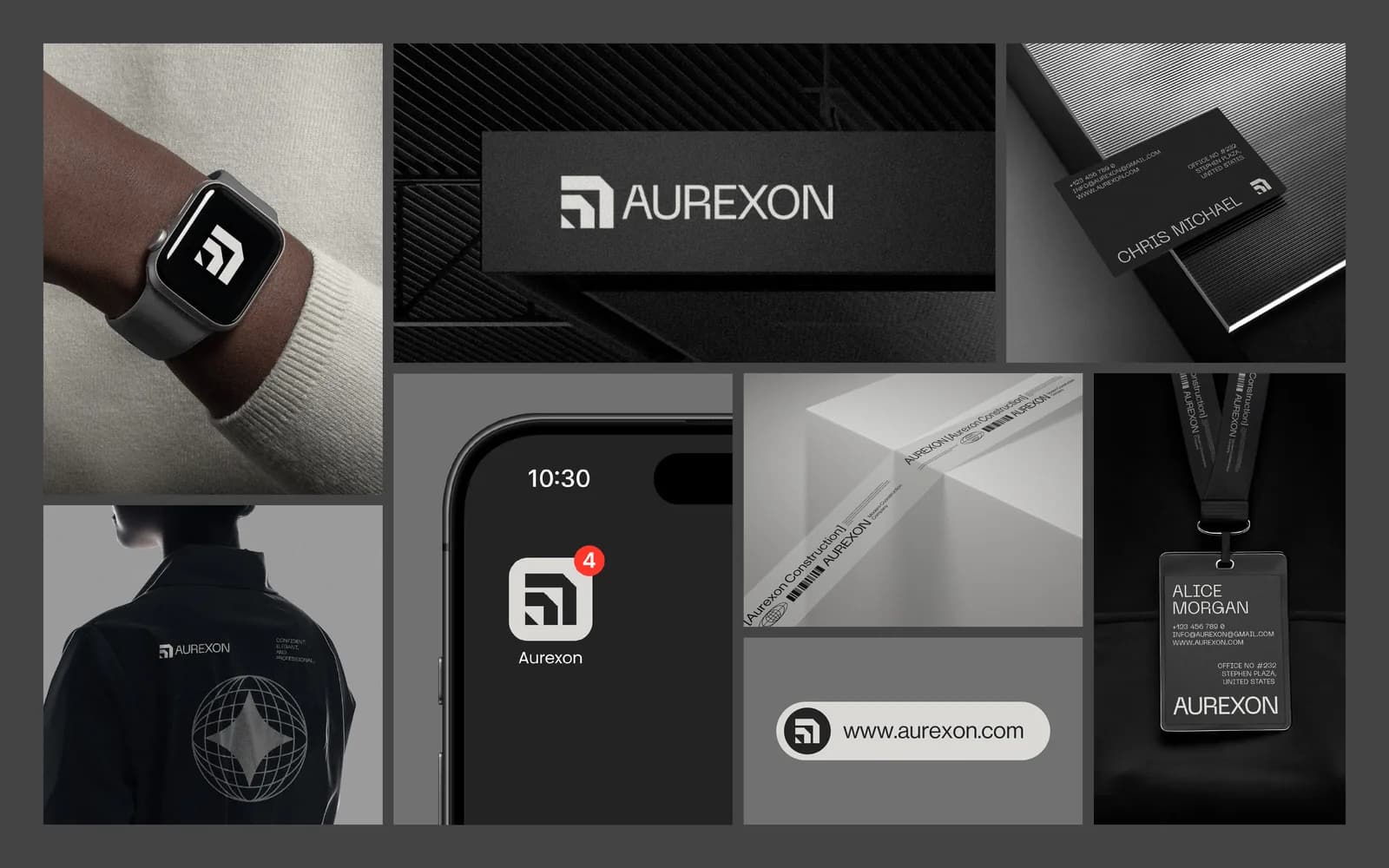
Fonts are the part nobody mentions. The typefaces in your brand are licensed, not owned, and the licence needs to be in your name. Some are free (Google Fonts), some are commercial, and a commercial licence for a logo typeface is a cost you should know about before the design, not after. I tell every client which fonts I’m proposing, whether they cost anything, and what the fallbacks are for Canva and Google Slides. For the Aurexon identity that meant two commercial families, Neue Machina and Neue Haas Display.
On revisions, timeline and payment
Revisions: three rounds on my entry logo package, unlimited on everything else, until you’re happy. A round is one consolidated set of notes from the person who signs off. If the first concepts all miss, I try a new direction rather than nudging one you don’t like; nudging a wrong direction is how projects go to twelve rounds.
Timeline: you get a delivery date on day one. A logo is 3 to 5 days, an identity 7 to 10, packaging about a week. What moves the date is your feedback speed, the number of decision makers and the printer. How long a project takes goes through all of it.
Payment: a 50% deposit holds your slot, the balance is due before the final files are released, and the quote is fixed, with the scope and timeline written down. If a designer bills a logo by the hour, ask how they’ll estimate it, because you have no way to.
On what happens when it goes wrong
Every designer has had a project wobble. The useful question isn’t whether, it’s what they do. If we disagree about a change, I’ll tell you plainly if I think it weakens the work and why. Then it’s your brand and your call. What I won’t do is go quiet and make the change badly.
If you’re unhappy at the end, the first step is a conversation about which part is wrong, because it’s usually one piece and not the whole thing. If it’s the direction, we go back to the brief and try another. I’d rather spend an extra few days than hand over something you’ll replace in a year, because that costs us both more.
On feedback, references and case studies
How I want feedback: one round at a time, written, from the person who decides. Not a message every hour from three people. I ask for this in the brief and it is the single biggest reason my projects finish on the date I quoted.
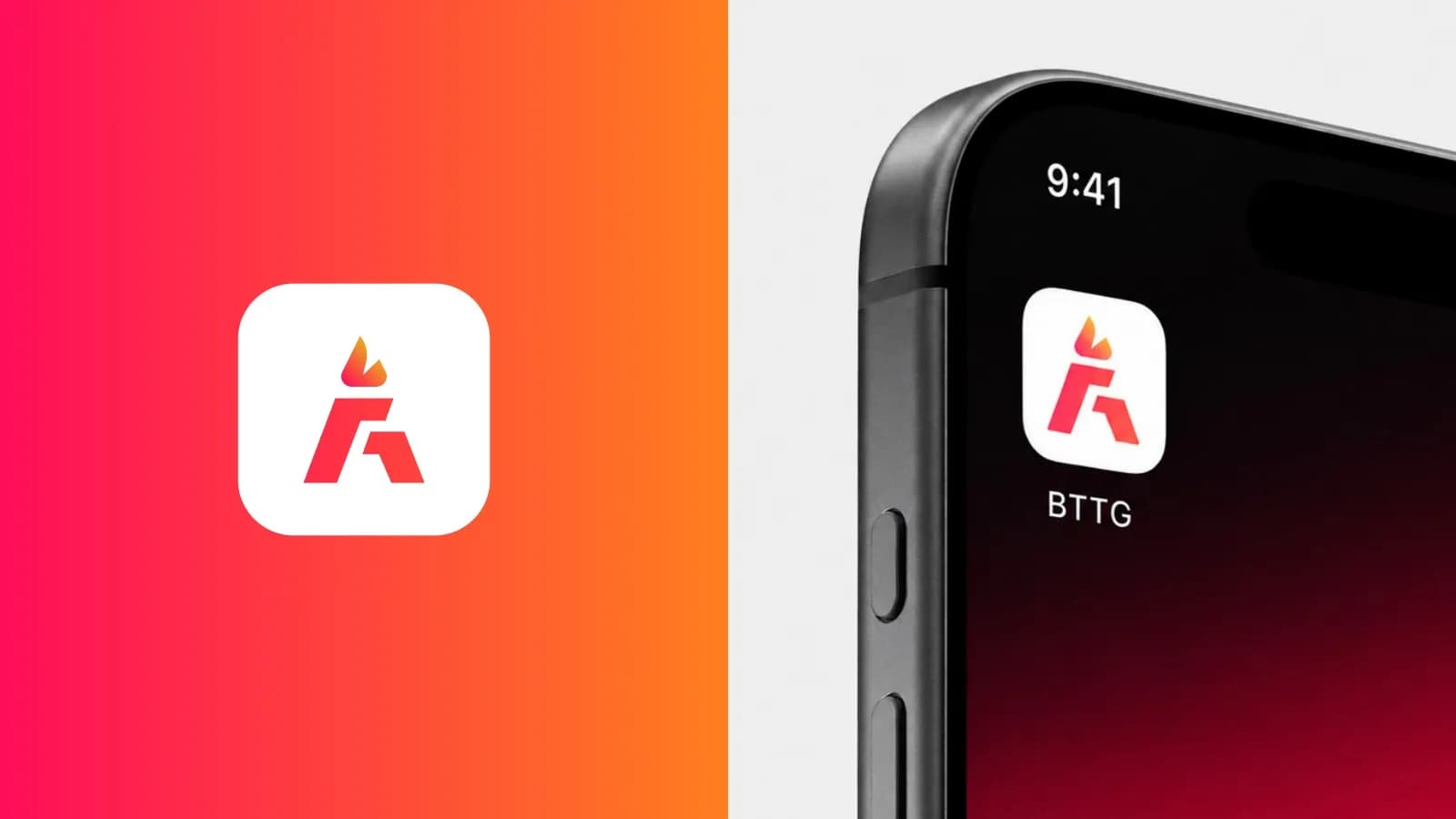
References are hard for a one-person studio to hand over on demand, and I don’t publish client quotes until I have their permission. What I can show you is the work on real surfaces, with the problem it solved. Born To The Game is a good one to look at: the same mark on a hoodie, a watch face and an app icon, with a 24-page guide so partners can’t get it wrong. If a designer only shows logos on mockups, ask to see one that went to print. If you’re weighing up brand designer reviews, and how to read them, I’ve written about that too.
Red flags in the answers
A few things that should make you pause. No written scope. A price that changes after you’ve started. “We’ll see how many revisions it needs.” No mention of vector files. A vague answer on ownership. A portfolio with no real applications, only logos floating on grey. Concepts shown before any questions were asked. Any of these on its own might be innocent; two or three together are a pattern.
The other red flag is silence. A designer who doesn’t ask you anything about your customers or competitors on the first call is guessing, and you’re paying for the guesses. I was that designer for a while, early on, selling logos cheaply and quickly without asking why. It’s the main reason the first step of my process is now a list of questions for you.
Ask me the same questions
Everything above is on the record, and you can hold me to it. If you’d like to go through the list live, book a 30-minute call. If you’d rather start with the brief, send me the details and I’ll reply within a few hours, then send a fixed quote and the delivery date. And if you’re comparing a few designers, what a logo costs will help you read the quotes side by side.
Questions founders ask me
No. A good designer will be relieved, because it means you’ll be a clear client. The ones who bristle at being asked about files and ownership are the ones you most needed to ask.