Branding basics9 min read
Who owns your logo? Copyright basics for founders
You paid for it, so it’s yours, right? Not automatically. The plain-words version of logo copyright, font licences, marketplace marks and the questions to ask before you pay.
Javeria Hareem
Logo & Brand Designer, founder of Jayy Studio
In this article
You paid for your logo. That does not automatically mean you own it.
In most countries, copyright in a piece of artwork belongs to the person who drew it until they hand it over in writing. Founders tend to find this out at the worst moments: when they come to register a trademark; when they switch designers and the first one won’t release the source files; or when a logo bought on a marketplace turns up on someone else’s shopfront. “Who owns my logo?” is a question I get asked after the invoice has been paid, which is exactly the wrong time.
I’m a designer, not a lawyer, so treat this as the practical version from someone who has handed over a thousand logos, and check anything that matters to your business with someone qualified where you are. What follows is how ownership actually works, where fonts fit in, what to watch for with marketplace logos, and the questions to ask before money changes hands.
Who owns my logo by default? Usually the designer
Copyright is automatic. The moment someone draws an original mark, they own the rights to it; there is no form to fill in and no registration needed for the ownership to exist. That is true in Pakistan, where I work, and in the UK, the EU, the US, the Gulf and most places my clients are based. The World Intellectual Property Organization has a plain summary if you want the formal version.
Paying for the work doesn’t change that on its own. Paying buys you the artwork and, depending on your agreement, a licence to use it. It only buys you the copyright if the agreement says so. There is an exception for employees: if a designer on your payroll draws a logo as part of their job, the employer usually owns it from the start. American law also has “work made for hire”, but for a freelancer it only covers a few specific kinds of commissioned work, with a signed agreement, and a standalone logo usually isn’t one of them. An assignment is the safer route.
So for the ordinary case, a founder hiring an independent designer anywhere in the world, the rule is simple: if nothing was signed, the designer usually still owns the copyright.
What a proper handover clause says
The fix is one paragraph. A good agreement says that, on full payment, the designer assigns all rights in the final approved artwork to the client, worldwide, for any use, with no further fees. That is the sentence that makes the logo yours. It can be in a contract or a proposal you both sign. Some places accept less formal paperwork, but a signed document is the safe version.
Two things usually sit alongside it, and both are reasonable. The designer keeps the right to show the work in their portfolio and to say they made it. And the concepts you didn’t choose stay with the designer, because you paid for one logo, not five; a designer may reuse an unchosen direction for a different client in a different industry, which is common practice.
My own terms are simple: you get full commercial ownership of the final approved files once the project is paid in full, with no licensing fees and no royalties. The 50% deposit secures the slot; the balance releases the files and the rights together.
Fonts: licensed, never owned
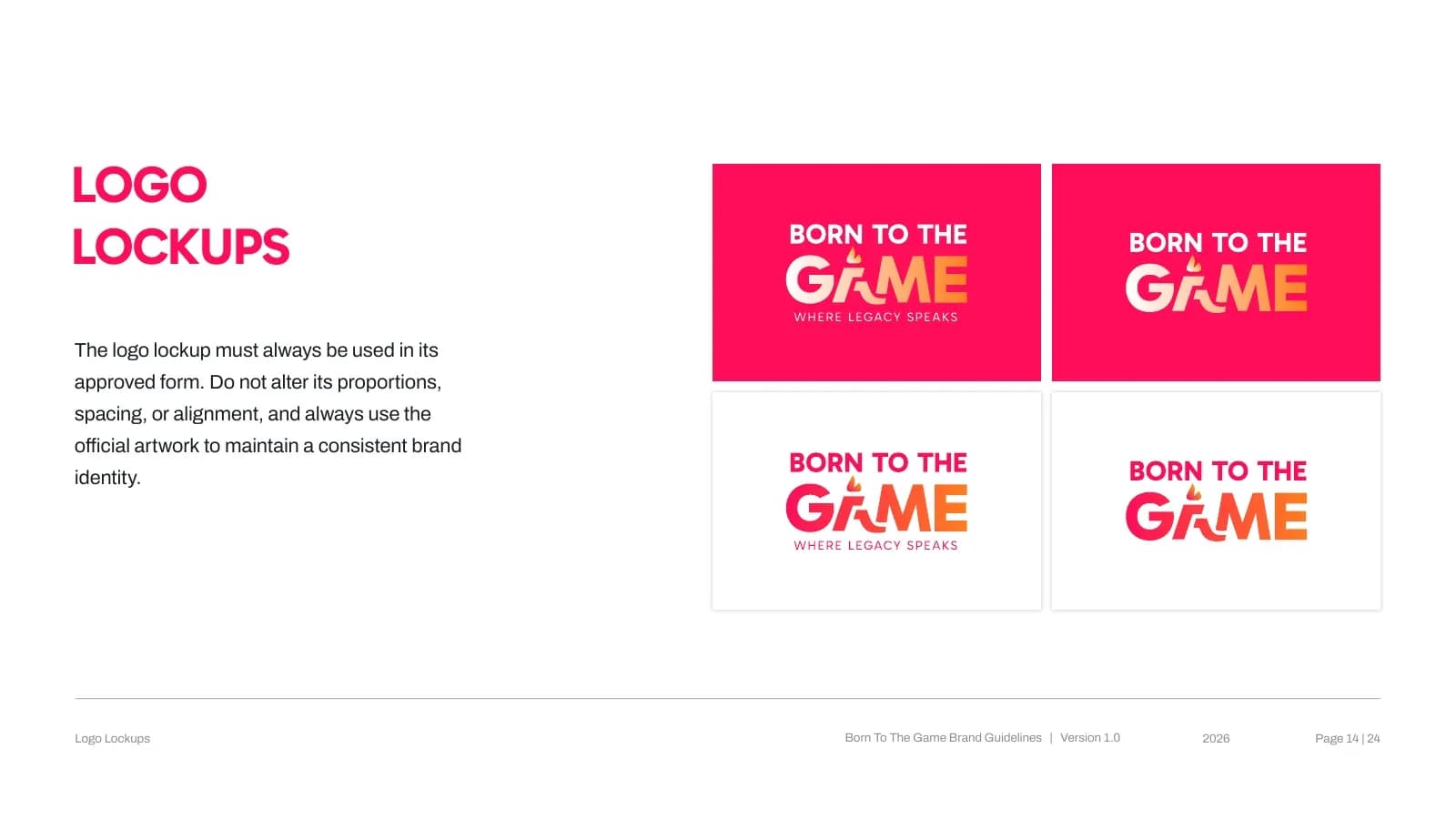
Here is the part that catches people even when the logo is sorted. The typeface in your wordmark belongs to the foundry that made it. Using Helvetica in your logo doesn’t make Helvetica yours. What you can own is the logo artwork, with the lettering converted to outlines, as long as the font’s licence allows logo use. Outlining turns the letters into ordinary shapes, which is why final logo files should always be outlined.
The brand fonts you use everywhere else, on the website, in decks, on packaging, are a different story. Those need a licence, and the licence needs to be in the name of the business, not the designer. A designer’s own licence covers the designer’s own computer. It does not cover your website, your team’s laptops or your printer.
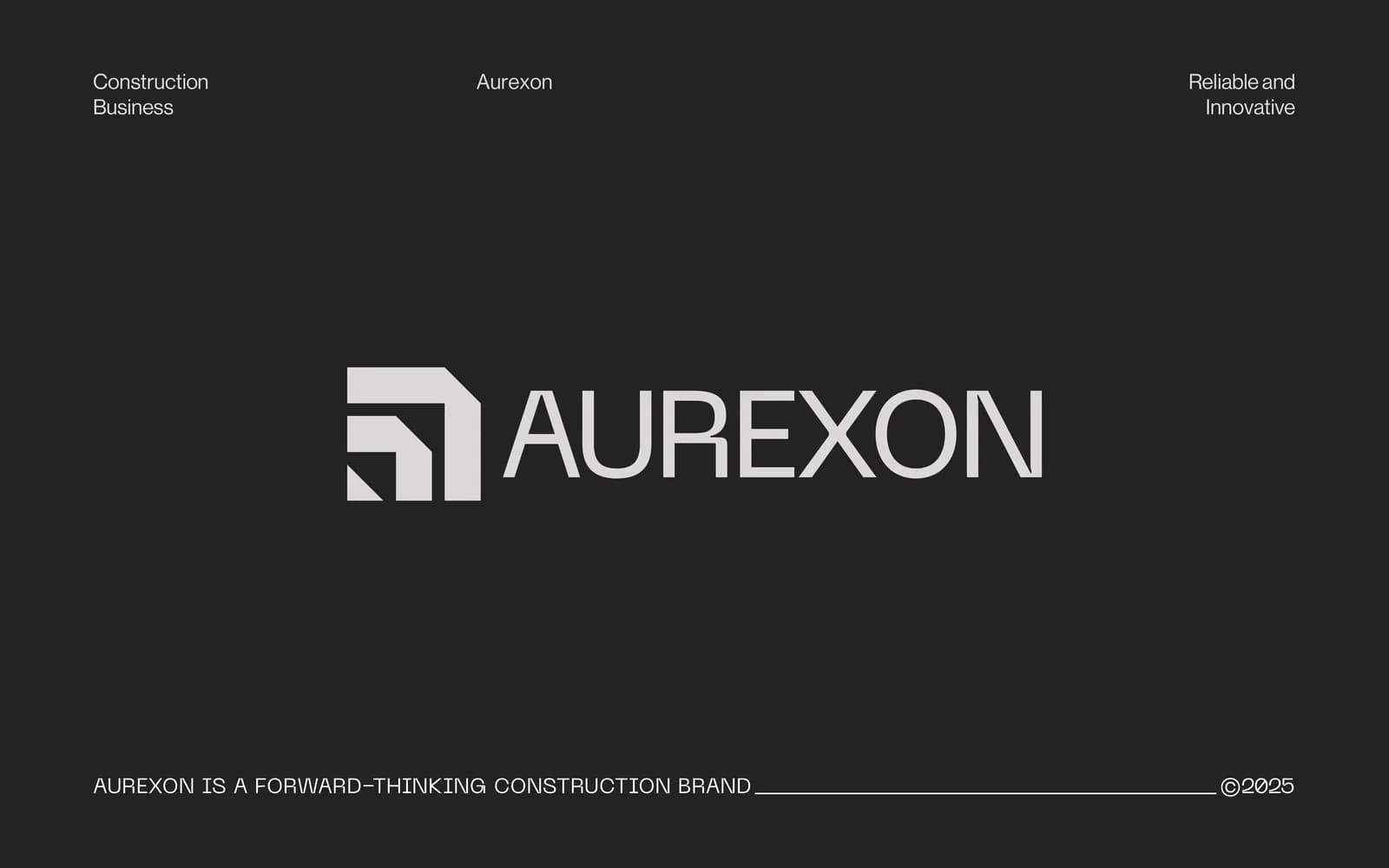
In practice: Google Fonts and other open-licence fonts are free to use commercially, which is one reason I pair them with commercial faces. Commercial fonts, like the Neue Machina in the Aurexon logotype, are sold per use: a desktop licence for design work, a web licence for the site, sometimes an app licence. At handoff I list every font, where it came from and what licence covers it. Ask any designer for the same list. If they look surprised, that is your answer.
Marketplace logos and stock elements
I started my career selling logos on Fiverr for very little, so I say this without any snobbery: the ownership of a marketplace logo is often unclear, and sometimes it is clear and not in your favour. The wider trade-off is in Fiverr logo vs designer.
Three problems come up. The first is templates. A mark assembled from a stock icon and a free font can be sold again, to another buyer, in another city, legally. It isn’t exclusively yours because the parts never were. The second is the stock licence itself: many icon libraries forbid using their assets in a logo at all, so a licence may have been breached on your behalf without either of you knowing. The third is paperwork. Marketplace terms usually do transfer rights to the buyer on delivery, but they cannot transfer rights the seller never had.
The question that cuts through all of it: “Which parts of this did you draw, and which did you buy?” A designer who built the mark from scratch will be happy to show you the construction. If the answer is vague, run a reverse image search on the symbol before you print anything.
Copyright and trademark are not the same thing
Copyright protects the artwork: the drawing itself. A trademark protects the use of a mark to identify your business in a category, and it is what stops a competitor using something confusingly similar. Copyright exists automatically, and becomes yours once it is assigned to you. The strongest trademark protection comes from registering it, country by country, in the classes of goods or services you trade in.
The order matters. You don’t want to register a mark whose artwork someone else still owns, so get the assignment done first. The US Copyright Office explains the copyright side for American businesses; your own country’s intellectual property office handles trademarks, and most have a searchable register you can check before you fall in love with a name.
When to bother registering: once the business is trading seriously, before a large print run of packaging, before you take on a distributor or franchisee, and before you spend real money on advertising. A trademark is cheap next to a forced rebrand. For a side project with no revenue yet, the assignment alone is usually enough.
What to ask before you pay
Five questions. Put them in the first email, not the last.
- On full payment, do I own all rights to the final logo, worldwide, with no further fees? Can you put that in writing?
- Will I receive the editable source files, with the text outlined, in vector formats?
- Which fonts are used, what licences do I need, and will you list them at handoff?
- Was every element of the mark drawn from scratch, or does it use stock icons, templates or purchased elements?
- What happens to the concepts I don’t choose, and can you show the chosen one in your portfolio?
A professional will answer all five in a sentence each. Along with the file list in logo file formats explained, these answers tell you more about a designer than their portfolio does.
If you’re not sure what you own right now
Start by finding the paperwork: the proposal, the invoice, the marketplace order page, the email where you agreed the price. Read it for the word “rights” or “ownership”. If it isn’t there, ask the designer for a short assignment: one paragraph, confirmed by email, transferring the rights in the final artwork to your business. Most will send it quickly, because it costs them nothing and they want you to come back.
If the designer has vanished, or the logo was built from stock and you can’t secure it, the honest path is a redraw: a new mark you own outright, which is also a chance to fix whatever the first one got wrong. What that costs is covered in how much a logo costs. And if you’d like me to look at what you have before you decide, send me the files and the paperwork. I’ll tell you whether you own it, and what to ask for if you don’t.
Questions founders ask me
Only if your agreement with the designer transfers the copyright to you. Payment on its own buys the artwork and a right to use it; the copyright stays with the designer until it is assigned in writing. Check the proposal, invoice or email thread for the words “rights” or “ownership”, and ask for a one-paragraph assignment if they are missing.